Maintaining the infrastructure of a commercial property requires a higher level of technical expertise and logistical planning compared to residential maintenance.
The complexity of large-scale water systems, combined with the rigorous demands of high-occupancy buildings, means that any failure can lead to significant operational disruptions and financial loss.
Choosing the right partner to manage these systems is a critical decision for property managers and business owners alike.
A systematic evaluation of a service provider’s qualifications, response times, and industry experience is necessary to ensure that your facility remains functional, safe, and compliant with all local building codes.
Identifying a Qualified Commercial Plumbing Contractor for Large Scale Projects
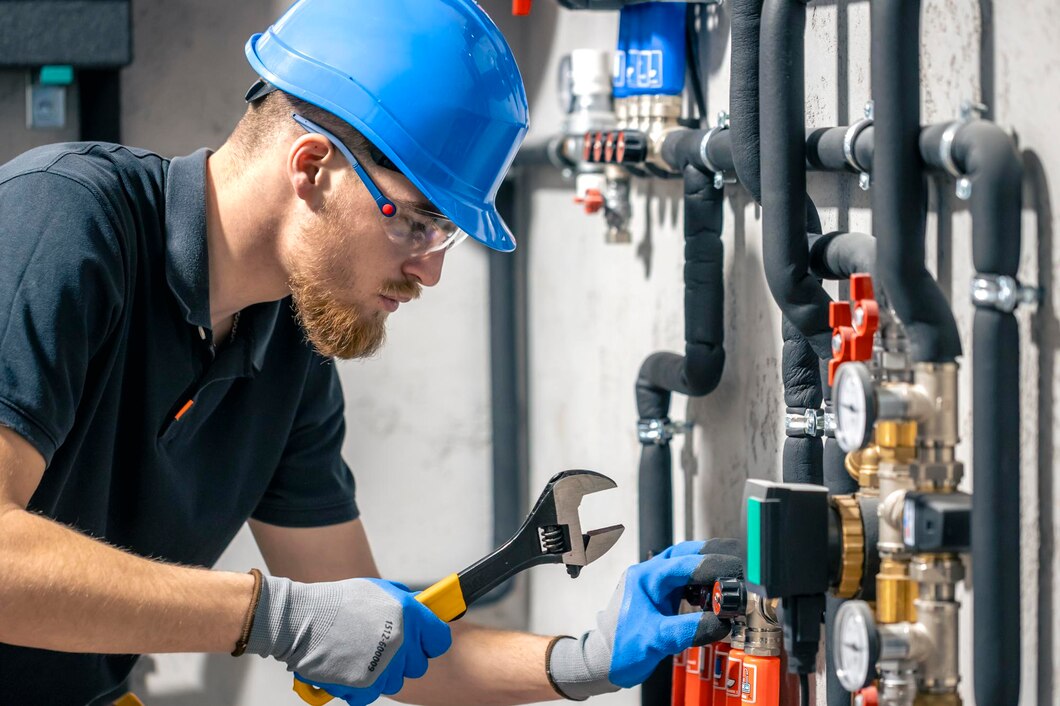
When dealing with high-rise buildings, shopping centers, or industrial complexes, the requirements for pipework and drainage are immense. It is vital to partner with a specialized commercial plumbing contractor who understands the intricacies of heavy-duty systems.
These professionals are equipped to handle high-volume water heaters, complex grease traps, and extensive backflow prevention assemblies that are not typically found in homes.
A qualified contractor will have the specialized tools and the large-scale manpower necessary to execute major repairs or installations without compromising the daily activities of your tenants or employees.
Their familiarity with industrial-grade materials ensures that your infrastructure can withstand the pressure of constant use.
Evaluating the Credentials of a Professional Plumbing Contractor
Before finalizing any agreement, you must conduct a thorough review of the legal and professional standing of your chosen plumbing contractor. This includes verifying that they hold the necessary state and local licenses required to perform complex mechanical work.
Furthermore, adequate insurance coverage, including general liability and workers’ compensation, is non-negotiable to protect your property from potential legal claims resulting from accidents.
A reputable contractor will be transparent about their certifications and will gladly provide references from other commercial clients. Checking these credentials ensures that you are hiring a legitimate entity capable of delivering high-quality workmanship that meets professional standards.
Prioritizing Emergency Response and Availability
In a commercial setting, a burst pipe or a sewage backup is not just an inconvenience; it is a business emergency that can lead to total closure. One of the most important factors to consider is whether the contractor offers twenty-four-hour emergency support.
You need a partner who can guarantee a rapid response time to mitigate water damage and restore service as quickly as possible. Inquire about their typical arrival times for urgent calls and how they handle staffing during holidays or weekends.
A reliable service provider acts as a safeguard for your business continuity, ensuring that minor leaks do not escalate into catastrophic structural issues due to delayed intervention.
Assessing Experience with Local Building Codes and Compliance
Commercial properties are subject to strict health and safety regulations that are frequently updated. A seasoned contractor must have a deep understanding of local building codes to ensure that every repair or upgrade is fully compliant.
Failure to meet these standards can result in heavy fines, failed inspections, and even the suspension of your business license.
During the selection process, ask the candidate about their experience with specific compliance requirements for your industry, such as medical facility sanitation or restaurant drainage laws.
Their expertise in navigating these legal frameworks will save you from future administrative headaches and costly corrective work.