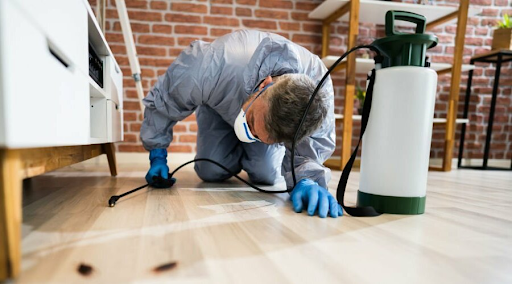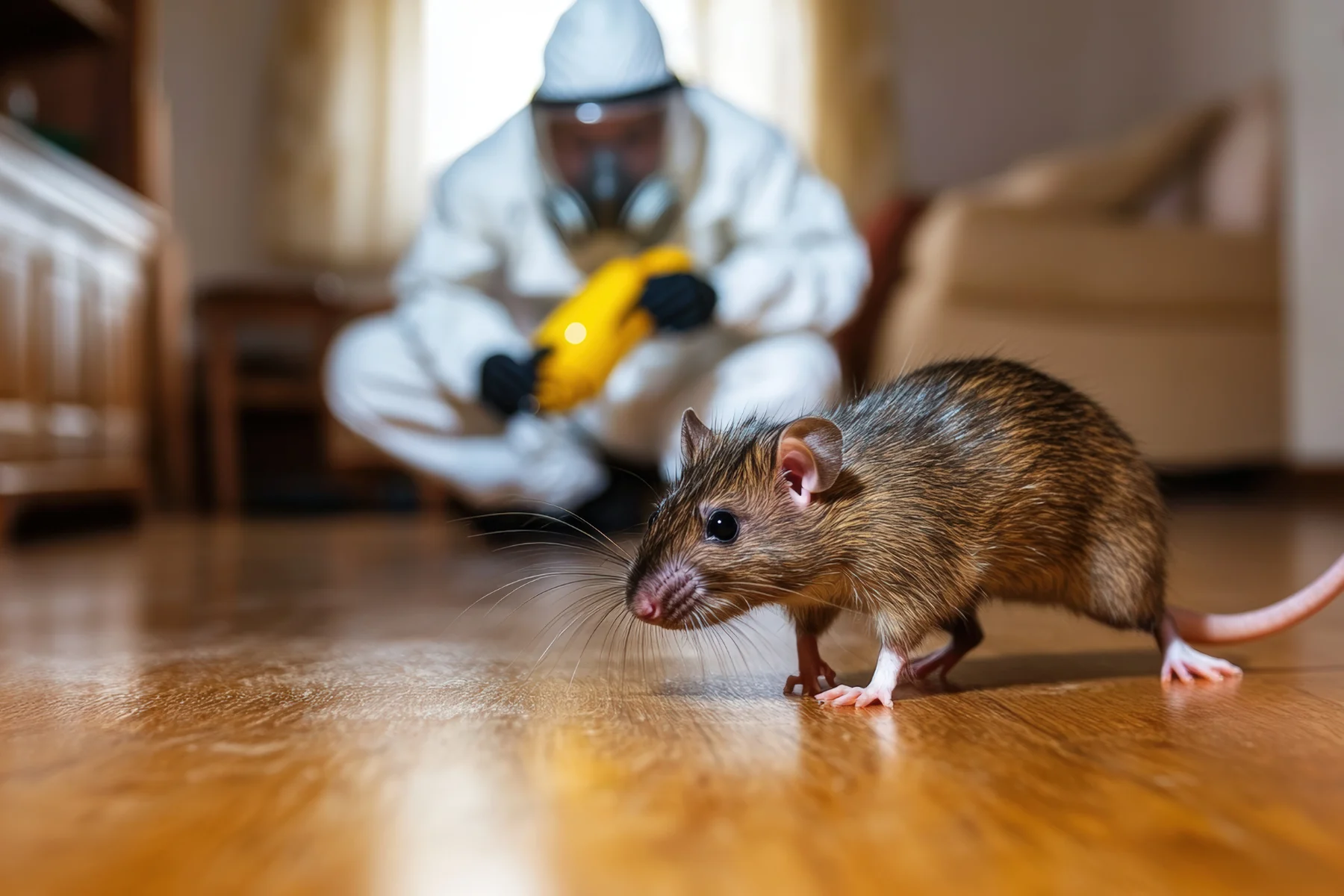
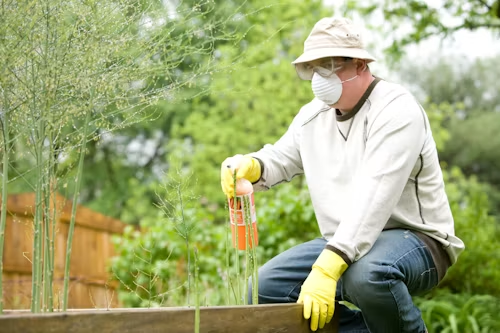
Commercial properties can face a wide range of pest problems, from rodents and insects to birds and other unwanted pests. For businesses, an infestation can affect employees, customers, inventory, equipment, reputation, and regulatory compliance.
Choosing the right pest control company is therefore an important operational decision rather than simply finding someone to deal with an occasional problem. A suitable provider should offer professional expertise, preventative strategies, clear reporting, and a service plan designed around your property’s specific requirements.
Look For Commercial Pest Management Experience
Start by considering companies that have genuine experience managing commercial properties. A warehouse, restaurant, office, healthcare facility, retail premises, or industrial site can have very different pest risks and operating requirements.
Ask prospective providers whether they have worked with businesses similar to yours and what types of pests they regularly manage. Relevant experience can help a contractor understand potential access points, sanitation concerns, storage practices, waste-management issues, and other factors that can contribute to pest activity.
Check Qualifications And Insurance
Professional standards should be an important consideration when comparing pest control companies. Ask about technician training, qualifications, insurance, and relevant industry memberships or certifications.
For businesses in the UK, you can consider whether a provider is an assessed member of the British Pest Control Association (BPCA). BPCA states that its member companies are trained and insured and are audited against BS EN 16636, while members must also follow industry Codes of Best Practice.
Do not simply accept a logo or claim at face value. Verify memberships and qualifications where possible.
Prioritise Preventative Pest Management
A strong commercial pest management programme should not focus exclusively on eliminating pests after an infestation has developed. Ask whether the company uses an integrated approach involving inspection, monitoring, prevention, proofing, housekeeping recommendations, and targeted treatment.
BPCA guidance recommends professional pest controllers who can identify problems, provide prevention advice, maintain reporting systems, and address risks proactively.
This approach can help identify conditions that encourage pest activity and reduce the likelihood of recurring problems.
Request A Detailed Site Survey
Before accepting a long-term contract, ask the company to inspect your premises. A site survey allows the provider to understand the property’s layout, identify potential pest entry points, assess current activity, and determine what level of service is appropriate.
Be cautious of providers that offer a generic solution without properly understanding your premises. A thorough assessment should form the basis of the proposed treatment and prevention programme. Industry guidance also recommends that prospective contractors inspect sites before preparing bids so they can accurately estimate the required services.
Compare Contracts And Reporting
Finally, examine exactly what the proposed contract includes. Check the frequency of inspections, pests covered, emergency call-outs, preventative measures, treatment procedures, reporting, follow-up visits, and additional charges.
Good documentation can make responsibilities clearer and help your business demonstrate that pest risks are being actively managed. Compare several detailed proposals rather than automatically choosing the cheapest quotation. Quality, safety, experience, and preventative service can be more valuable than a low initial price.
Choosing a commercial pest control company requires careful evaluation of experience, professional standards, preventative methods, inspection procedures, and contract terms.