Maintaining a comfortable indoor environment requires a reliable and efficient climate control system. Your home heating, ventilation, and air conditioning setup is a significant investment that directly impacts your daily comfort and monthly utility expenses.
To ensure that these machines operate at their highest potential, homeowners must adopt a proactive approach to maintenance and upgrades.
By following a few essential guidelines, you can extend the lifespan of your equipment while enjoying a consistently pleasant atmosphere regardless of the weather outside.
1. Regular Air Filter Replacements
The simplest yet most effective way to maintain efficiency is by changing your air filters every one to three months. A clogged filter restricts airflow, forcing the system to work harder to circulate air, which leads to increased wear and tear.
High-quality filters also improve indoor air quality by trapping dust, pollen, and other allergens. Keeping the passage of air clear ensures that the internal components remain clean and functional for a longer period.
2. Achieving Perfection with Professional Heating Unit Installation
The journey toward peak performance begins the moment a new system is set up. Opting for a professional heating unit installation is the only way to ensure that the equipment is sized correctly for your home square footage.
An improperly installed heater will struggle to reach the desired temperature, cycling on and off too frequently and wasting energy.
Expert technicians ensure that all gas lines, electrical connections, and venting systems are perfectly aligned to provide maximum heat with minimal fuel consumption.
3. Maximizing Airflow with Proper HVAC Duct Maintenance
Even the most advanced equipment will fail to perform if the distribution network is compromised. Over time, dust can accumulate in the ducts, and small leaks can develop, allowing conditioned air to escape into the attic or crawlspace.
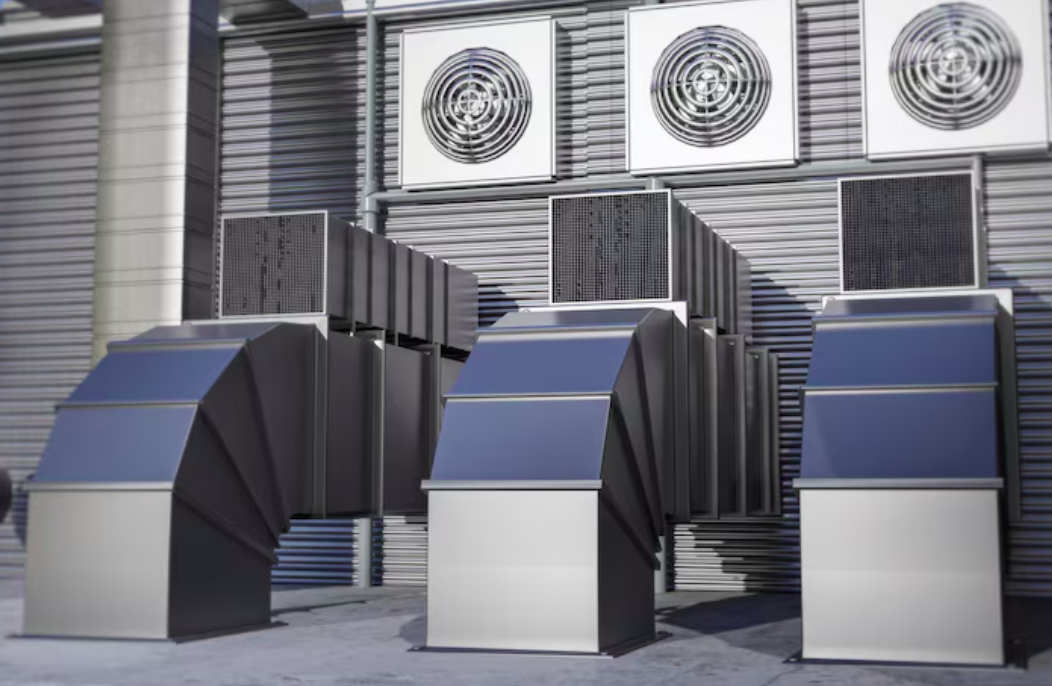
Inspecting your hvac ductwork for leaks and scheduling professional cleaning every few years can significantly boost performance. Sealing these gaps ensures that every bit of heated or cooled air reaches its intended destination, improving overall system efficiency.
4. Cleaning and Clearing the Outdoor Condenser Unit
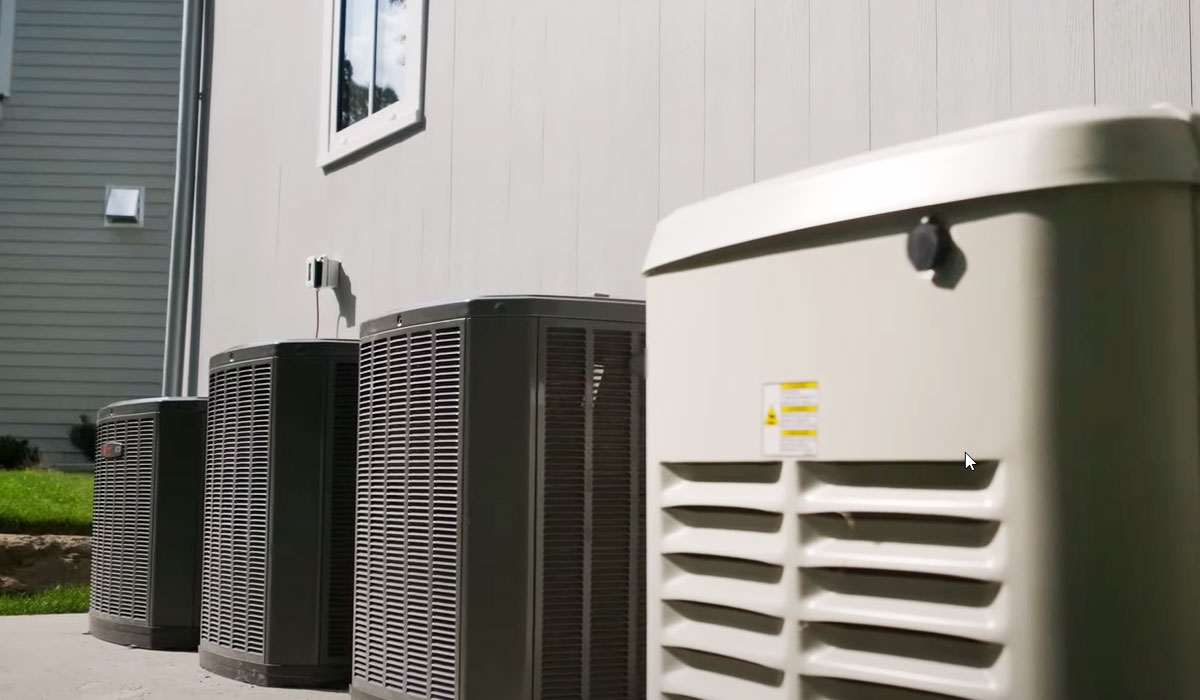
The outdoor portion of your cooling system needs breathing room to dissipate heat effectively. Throughout the year, leaves, dirt, and overgrown vegetation can obstruct the fins of the condenser unit. Homeowners should maintain a clear perimeter of at least two feet around the unit.
Gently rinsing the coils with a garden hose can remove built-up grime, allowing the refrigerant to cool more efficiently and preventing the compressor from overheating during the peak of summer.
5. Implementing Smart Thermostat Technology
Modernizing your controls is a smart way to manage performance without manual effort. Programmable or smart thermostats allow you to create schedules that align with your lifestyle, reducing the workload on the system when you are away from home.
These devices provide precise temperature management and can often alert you when it is time for a filter change or a professional inspection. By avoiding drastic temperature swings, you reduce the stress on the mechanical parts of your equipment.
6. Scheduling Annual Professional Tune-Ups
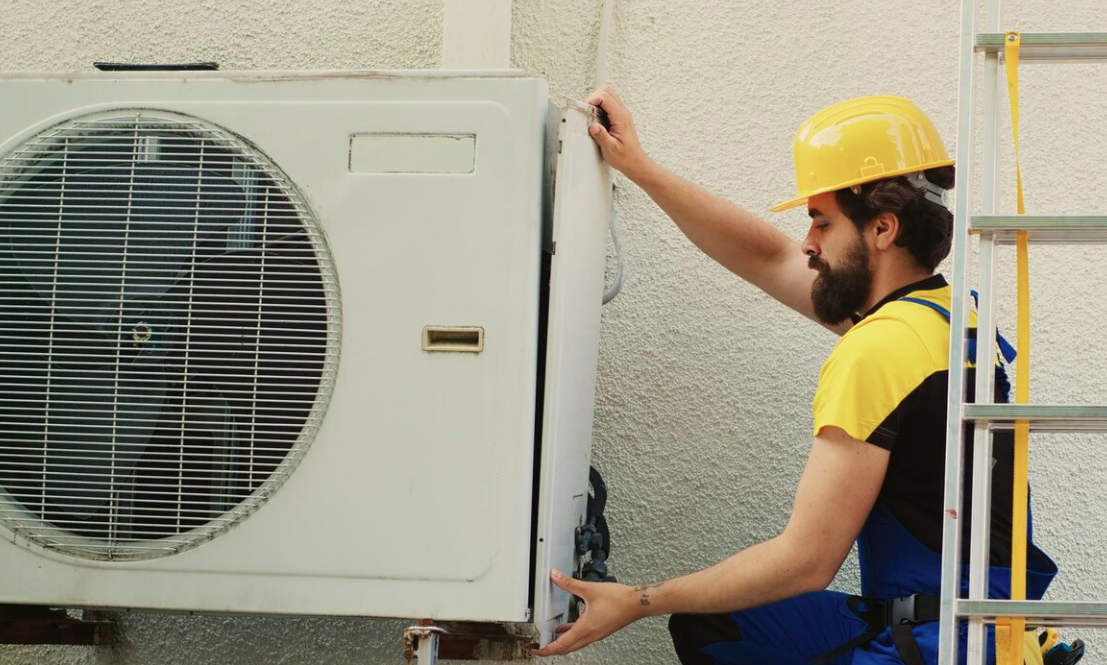
While many maintenance tasks are DIY-friendly, an annual visit from a certified technician is indispensable. A professional can check refrigerant levels, tighten electrical connections, and lubricate moving parts that are not easily accessible.
These yearly checkups help identify potential failures before they become expensive emergency repairs. A well-tuned system operates much more quietly and consumes less energy, providing you with peace of mind and lower long-term costs.