When you are building a new home or undertaking a significant renovation project, there is a lot to be excited about as you get to personalise every aspect of your new home. While the visual aspects of your home s,, such as flooring and cabinetry,y might be the most prominent, your comfort is really determined by the behind-the-scenes systems. A critical decision you will need to make in this process is to install new construction HVAC in Glendale, CA, since designing your new system right means that all rooms will stay comfortable no matter how hot or cold it is outdoors. Home HVAC System. This step in the building design process avoids many of the issues with hot rooms, loud vents, and excessive energy bills that plague the less well-planned homes.
Sizing and Manual J Calculations
Contrary to popular belief, bigger is not better when it comes to air conditioning. A unit that is too big will tend to short-cycle – or turn on and off more often than it should – stressing the system and neglecting to remove moisture from the air. An undersized system will run nonstop, attempting to reach the thermostat settings.
To avoid this, professionals use what is known as a Manual J load calculation. They consider the size of the home, the windows, the orientation of the structure, and the outside weather conditions. By properly sizing these factors, you can select a unit that will be precisely matched to the requirements of your home for optimal efficiency and longevity.
The Role of Ductwork Design and Airflow
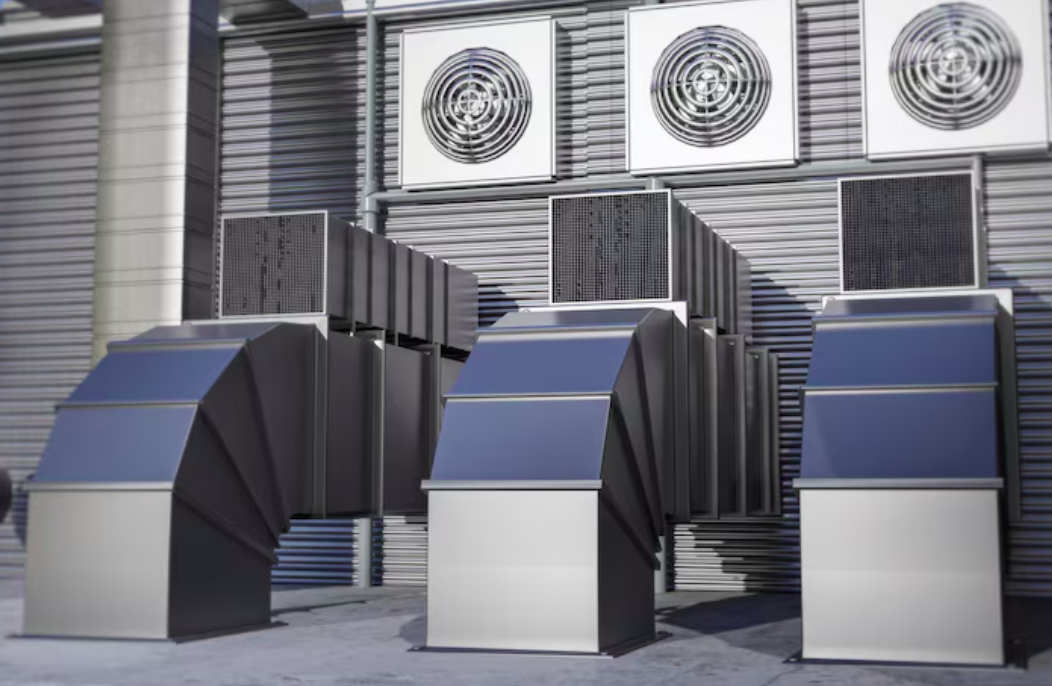
The most efficient new HVAC system on the market will only be as good as its airflow. Early in the design process for new HVAC construction in Glendale, CA, architects and HVAC designers need to work together to determine the best locations for distributing air. Ducts should be situated in the “conditioned spaces” of the building, not in the uninsulated crawlspace or attic.
Restrictive ducts with abrupt turns and transitions increase static pressure, which, in turn, requires the fan motor to work more, leading to greater noise. Today, home designers prefer radial or trunk-and-branch duct designs that offer optimal airflow; the master bedroom will be just as cool as the kitchen, obviating the need to continually tweak the thermostat.
Zoned Systems for Maximum Energy Efficiency
In large multi-story houses, heat rises, so the upstairs can be hot but the downstairs cold. A new approach called zoning involves the use of dampers in the ductwork to block air from flowing where it’s not needed. This enables you to control the temperature in various “zones” of the house.
Zoning is not only a comfort enhancer, but it’s also a huge energy saver. A guest bedroom or a dining room typically doesn’t need to be cooled as much as a home office or living room. Installing smart dampers and multiple thermostats will help lower your carbon footprint and energy bills.
Considerations for Indoor Air Quality (IAQ)
Today’s homes are much more “airtight” than their older counterparts to enhance efficiency; however, this can result in poor air circulation and the accumulation of indoor contaminants. Ventilation is a crucial consideration in the design of your system. Mechanical ventilation systems like Heat Recovery Ventilation (HRV) or Energy Recovery Ventilators (ERV) systems exchange indoor air for fresh outside air, precondition your air (heating or cooling) before supplying it to your home.
Further, efficient air filtration can be installed in the air handler. These systems remove pollen, dander, and dust that can trigger an allergic reaction, which is especially important for allergy sufferers. Speaking of air quality, incorporating high-quality IAQ solutions during the time of construction is by far easier and cheaper than retrofitting.
Selecting the Appropriate Energy Source
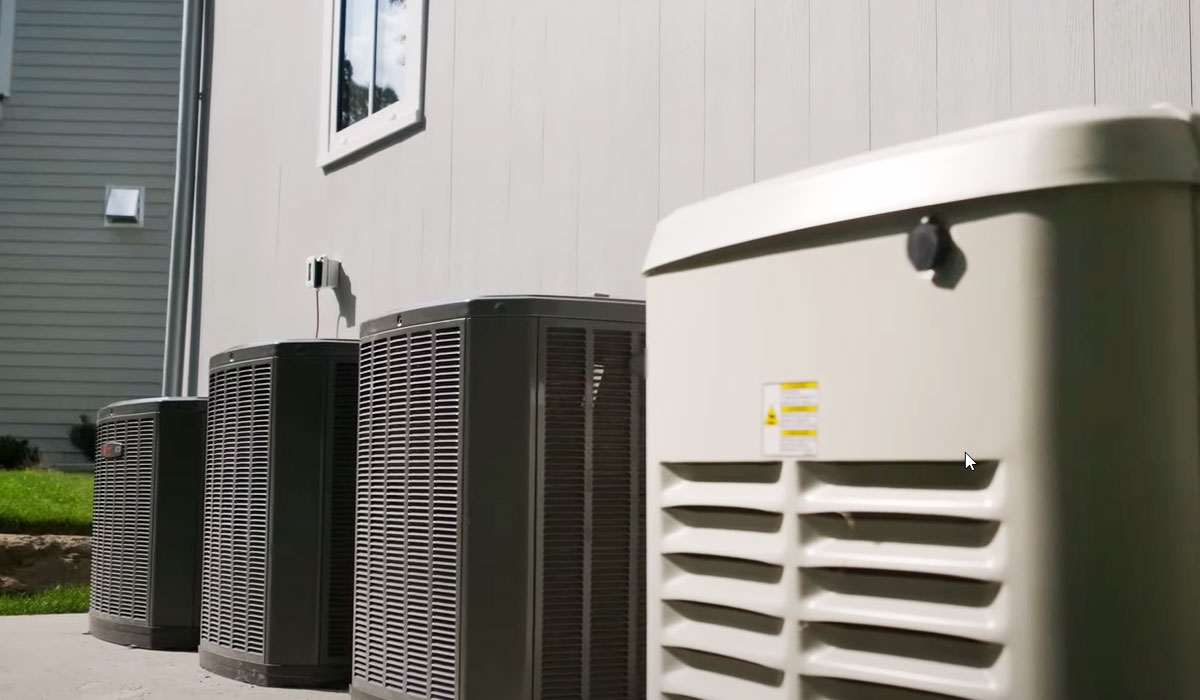
Electrification is on the rise in home building. Home HVAC System. Many people are replacing oil and gas furnaces with high-efficiency heat pumps. Today’s heat pumps offer flexibility with heating and cooling.
If you want something more hidden, you can opt for ductless mini-split systems, particularly if you are adding onto your home or if you have a minimalist home design and don’t like the clumsy soffits that ducts require. These systems offer zone control and some of the best efficiencies in the business.
Smart Controls to Future-Proof
The last component of a modern HVAC system is the controls. Home HVAC System Smart thermostats no longer just allow you to program times; they now also use geofencing to know when you are on your way home and employ AI to learn your habits. When paired with other smart home devices, you can track your energy consumption and receive maintenance notifications on your phone. It ensures that your system will operate at its optimum efficiency for years.
Conclusion
Designing a climate control system for a new home is a lengthy process, but a highly worthwhile investment. Prioritising proper sizing, ductwork design, and smart technologies such as zoning and smart controls allows you to build an eco-friendly and highly comfortable living environment. By working closely with professionals in the initial design phase, you can ensure that your home will be a haven of comfort and fresh air regardless of the weather outside. Visit the website for more information.