
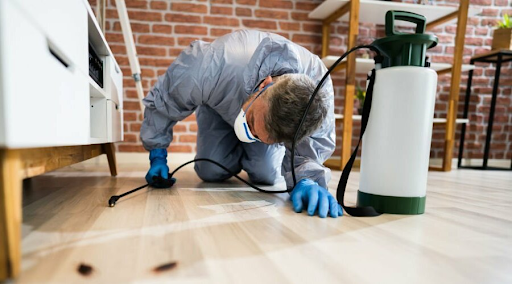
Pest control services involve handling chemicals and techniques that require proper training and regulatory compliance to ensure safety. Understanding why professional credentials matter in this industry helps consumers make more informed decisions when selecting service providers. Exploring this importance helps illustrate why proper qualification deserves serious consideration in this specialized field. Planning ahead rather than reacting to problems after they arise consistently produces better overall outcomes.
Why Pest Control Requires Proper Professional Qualification
Pest control treatments often involve chemicals that can pose genuine risks to health and safety when handled improperly or without adequate training. This reality makes proper qualification essential rather than simply advisable for professionals working within this industry. Understanding this need helps consumers appreciate why credential verification matters when selecting pest control service providers. Recognizing this importance supports more informed, safety-conscious decisions when choosing pest control services. Consistent attention over time tends to produce far better results than occasional, sporadic effort.
The Importance of Proper Pest Control Licensing
Verifying proper pest control licensing ensures technicians have completed required training in safe chemical handling and effective treatment techniques. This licensing process typically includes education on regulatory compliance, safety protocols, and environmentally responsible treatment approaches. Working with licensed professionals significantly reduces the risks associated with improper chemical use or ineffective treatment methods. This combination of safety and effectiveness explains why licensing verification deserves genuine priority when selecting pest control providers.
Understanding What Licensing Requirements Typically Involve
Licensing requirements typically include completing formal training, passing relevant examinations, and maintaining ongoing continuing education requirements. These requirements help ensure professionals stay current with evolving regulations, safety standards, and treatment technology. Understanding this process helps consumers appreciate the genuine expertise that proper licensing represents within this industry. Recognizing this rigor supports greater confidence when working with appropriately licensed pest control professionals. Seeking recommendations from trusted sources can help narrow down choices and reduce uncertainty considerably.
The Specialized Requirements of Healthcare Pest Control
Addressing pest issues within healthcare pest control settings requires additional specialized knowledge given the sensitive populations and strict regulatory environment involved. This specialized area demands particular attention to treatment methods that remain effective while minimizing risk to vulnerable patients and staff. Professionals working in this specific niche typically require additional training beyond standard industry certification requirements. This specialized focus explains why healthcare facilities benefit significantly from working with appropriately qualified providers.
Choosing Qualified Pest Control Professionals for Any Setting
Verifying current licensing and insurance coverage helps consumers confirm a provider meets appropriate professional and safety standards. Asking about specific experience relevant to a particular setting, such as residential or specialized commercial environments, helps ensure appropriate expertise. Checking references and reviews provides additional confidence regarding a provider’s reliability and quality of service. This careful selection process significantly increases the likelihood of safe, effective pest control treatment.
Conclusion
Proper professional qualification plays a critical role in ensuring safe, effective pest control services across residential and specialized commercial settings. Verifying appropriate licensing and experience helps consumers make more informed, confident decisions when selecting service providers. With qualified professionals, consumers and facilities alike can address pest concerns safely and effectively. Small details, often overlooked at first glance, can make a meaningful difference in the final result.