
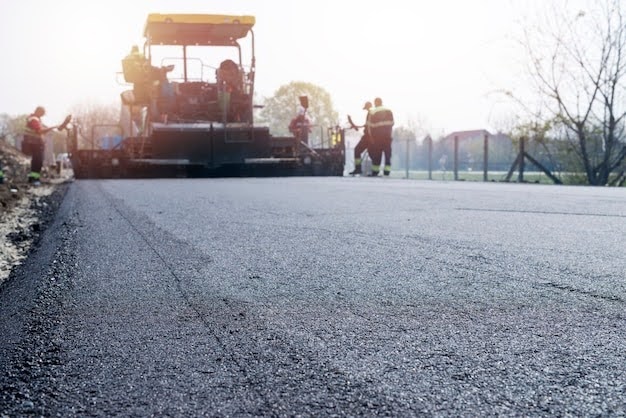
A well-built paved surface improves access, appearance, and everyday use around homes and businesses. Asphalt paving suits driveways, parking lots, private roads, and access lanes because it can be installed efficiently and maintained in stages. Good results depend on suitable design, sound materials, skilled construction, and regular care.
1. Understand Residential and Commercial Needs
Residential driveways usually carry lighter traffic than commercial parking areas or loading zones. Commercial sites may support delivery vehicles, turning movements, and steady daily use.
Asphalt paving should match expected loads, soil conditions, and traffic. A site assessment helps determine pavement thickness, layout, and construction details.
2. Prepare the Site and Foundation Properly
A durable surface starts below the visible asphalt. Contractors remove unsuitable material, shape the ground, address soft areas, and compact the subgrade. They may install an aggregate base to distribute loads and provide stability.
Proper asphalt paving preparation reduces settlement, cracking, and uneven areas. Drainage should be planned before installation.
3. Select Suitable Asphalt Materials
Asphalt mixtures contain aggregates and a bituminous binder, but their properties vary. The appropriate mix depends on climate, traffic, pavement location, and project specifications.
Residential work and heavy-use commercial areas may require different designs or layer thicknesses. Professional asphalt paving uses specified materials and quality controls to support consistent performance. Ask which mix is proposed and why it suits the site.
4. Follow Careful Installation and Compaction Practices
During construction, crews place asphalt at an appropriate temperature, spread it evenly, and compact it with suitable equipment.
Correct compaction helps achieve density and reduce excessive air voids, which affect durability and water resistance. Joints, edges, and transitions need attention too. Good asphalt paving depends on timing, equipment, trained crews, and checks throughout the job.
5. Plan Drainage, Markings, and Safe Access
Standing water can contribute to deterioration, so surfaces need suitable slopes and functioning drainage. Commercial properties may require marked parking bays, accessible routes, loading areas, and pedestrian crossings.
Residential projects should consider garage entrances, footpaths, and road connections. Thoughtful asphalt paving makes the finished area safer and easier to use.
6. Maintain the Surface and Choose a Qualified Contractor
Remove debris, keep drains clear, and inspect for cracks, potholes, or drainage problems. Address defects early with repairs suited to their cause; sealcoating may suit some surfaces but cannot fix structural failure.
Before hiring an asphalt paving contractor, compare experience, references, written specifications, preparation methods, schedule, and warranty terms. Confirm who handles permits and site access.
Final Thoughts
A successful project combines realistic planning, a stable foundation, suitable materials, careful construction, effective drainage, and maintenance. Residential and commercial properties have different demands, so one design will not suit every site. Request a written proposal explaining pavement layers, mix specifications, compaction, drainage, and quality checks. Compare contractors on scope and workmanship rather than price alone. With informed choices and timely care, asphalt paving can provide a practical surface for years. Check the design against local engineering requirements and site conditions. Keep photographs and document all agreed project details in writing for future maintenance reference.